Project Overview
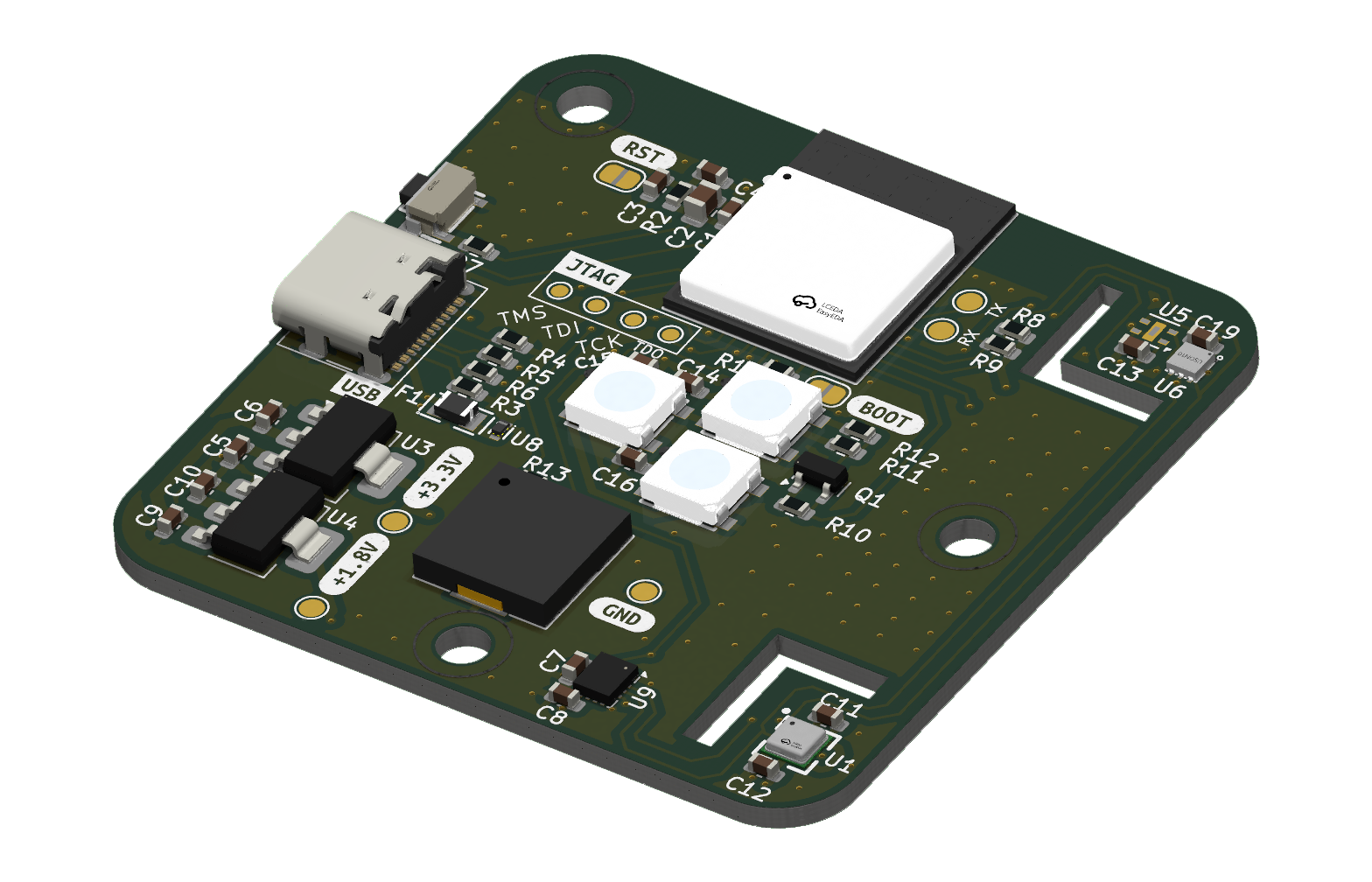
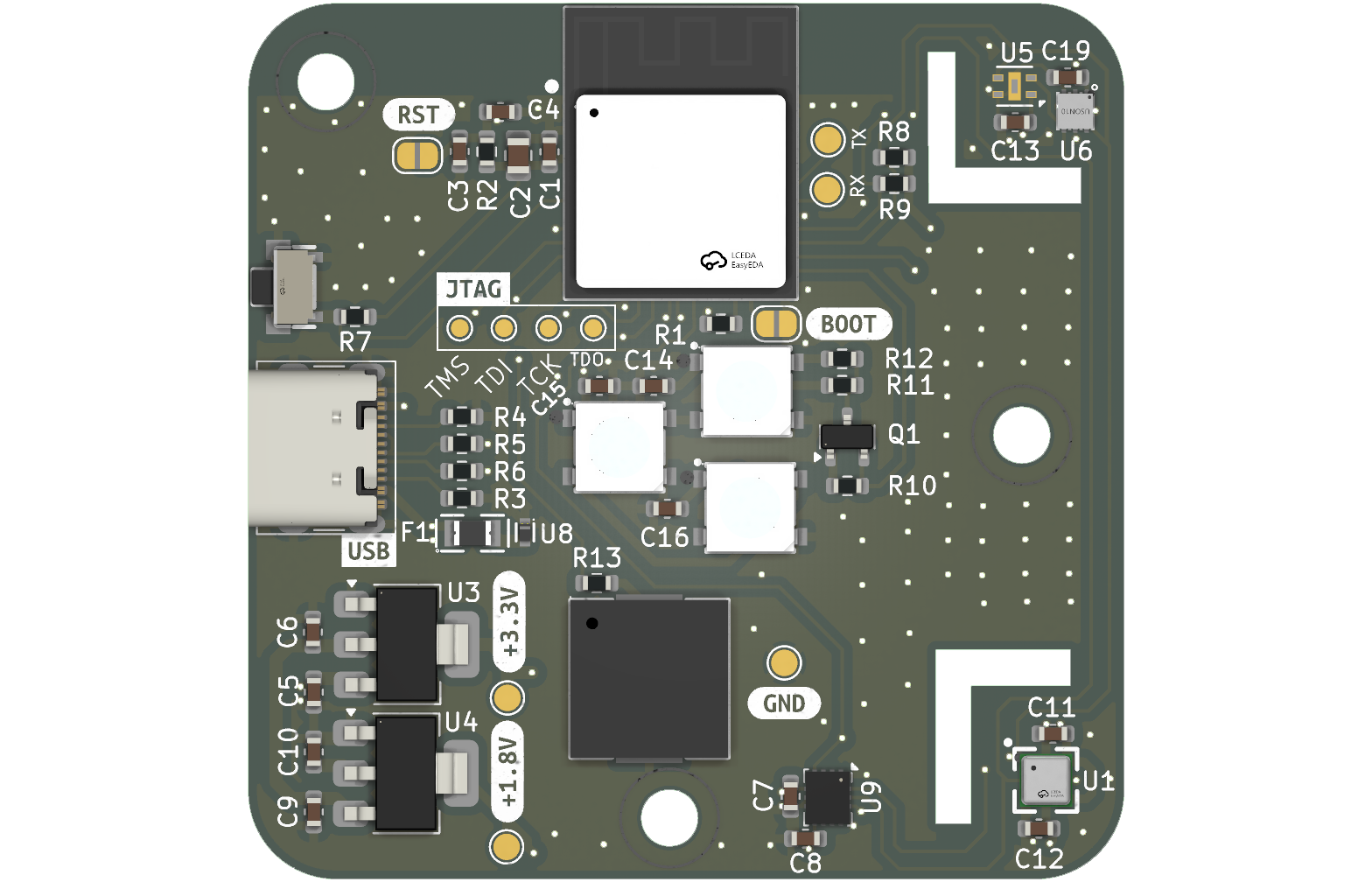
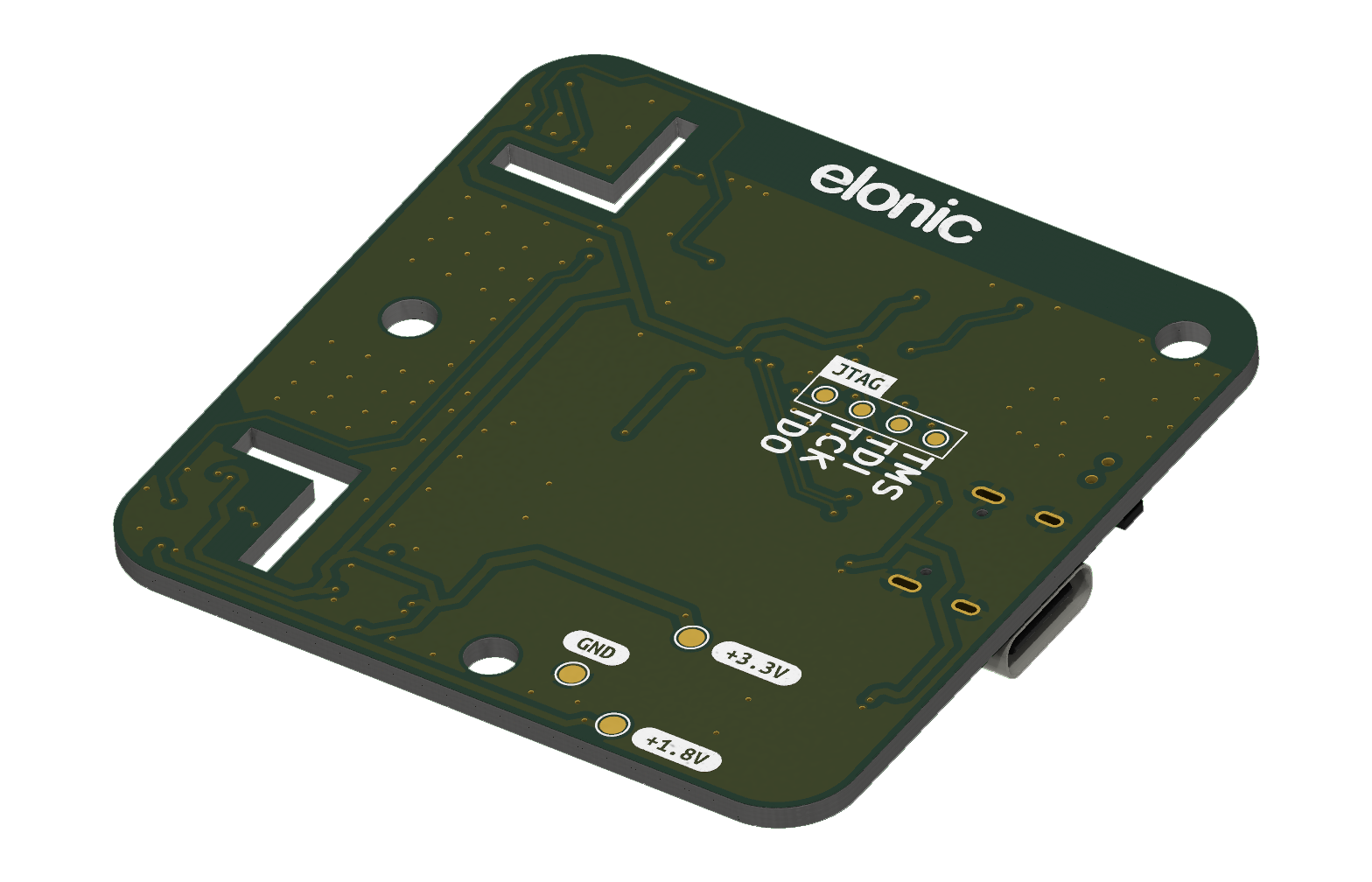
Halo Node 1 (HN-01) is an all-in-one sensor designed to consolidate indoor air quality, micro-climate monitoring, light tracking, and physical motion detection into a single, sleek IoT node. Designed to replace fragmented single-purpose sensors, HN-01 delivers low-latency telemetry directly to open and commercial smart home ecosystems, enabling instantaneous local automations and zero-friction ambient feedback.
The Challenge
Conventional smart home setups require multiple standalone devices to monitor a single room's environment, creating visual clutter, high power overhead, and fragmented automation logic. Engineering a unified solution introduced distinct hardware challenges:
- High Subsystem & Sensor Density: Integrating volatile organic compound (VOC) gas sensing, temperature, relative humidity, ambient light detection, vibration tracking, and a dynamic RGB status indicator alongside an IoT host MCU within a compact housing.
- Thermal & Airflow Isolation: Preventing onboard processing heat and power management thermals from bleeding into micro-climate sensors to maintain raw environmental accuracy.
- Zero-Latency Local Control: Delivering continuous, real-time telemetry streams to platforms like Home Assistant and Google Home without relying on sluggish cloud dependencies or vendor lock-in.
The Solution: Unified Multi-Sensor Architectural Design
HN-01 combines high-density multi-sensor integration with active thermal management and local-first IoT telemetry to deliver robust environmental intelligence:
Engineering Strategy
- Active Thermal & Fluidic Isolation: Engineered dedicated internal venting channels that isolate high-precision temperature, humidity, and gas sensors from thermal radiation produced by processing and power circuits.
- Ambient Human Interface: Integrated a custom-controllable RGB light that offers immediate visual feedback on air purity. Leveraged ambient light sensing to automatically dim the indicator in dark environments to avoid sleep disruption.
Technical Specifications
- System Architecture: All-in-One Environmental & Motion Sensing IoT Node
- Core Compute: Wi-Fi / Bluetooth IoT Microcontroller
- Environmental Sensing: VOC & Air Quality Index (AQI) Array, High-Precision Temperature & Relative Humidity
- Contextual Sensing: Ambient Light Sensor, Vibration / Motion Sensor
- Visual Interface: Configurable RGB Status Halo Ring (Auto-Dimming)
- Connectivity & Ecosystem: Native Home Assistant & Google Home Integration (Wi-Fi IoT Stream)
- Target Applications: Workshop Fume & VOC Exhaust Control, Smart Home Climate Optimization, Appliance Cycle Tracking, and Ambient Air Quality Monitoring